Current condition
Record the agreed formats, weights, surfaces, closures, proposed grip points and station orientations. Define accepted-transfer observations and responsible interface/recovery reviewers before the trial.
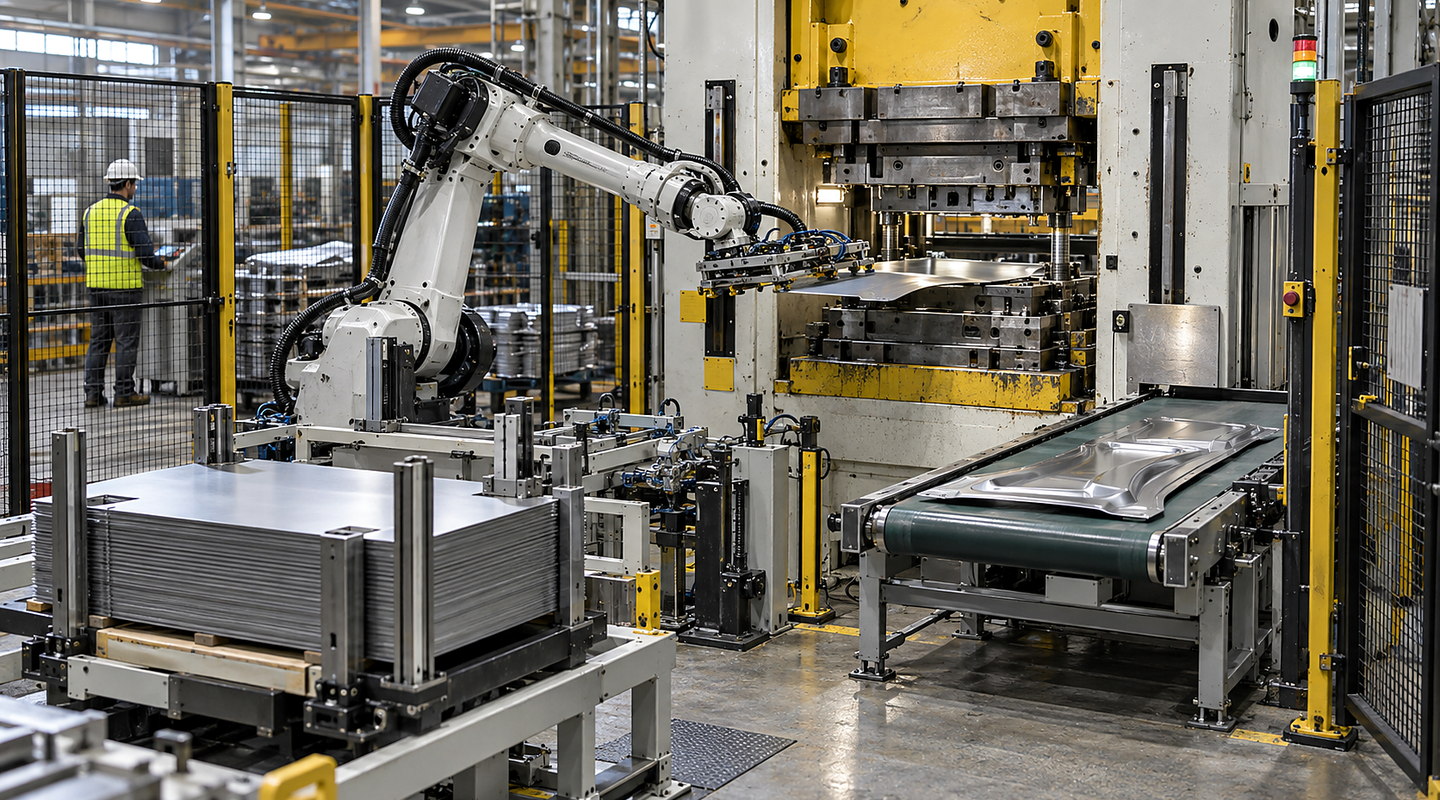
Agree bottle-handling run-off for representative formats and conditions, pickup, placement, conveyor handovers, missing or unstable bottles and changeover.
Agree bottle-handling run-off against the actual formats, empty/filled weights, surfaces, closures and station orientations. Record pickup, transfer stability, placement and condition after handling. Include conveyor waiting, representative changes and missing/unstable-bottle recovery under an agreed procedure.
Connect the bottle and interface range to the changeover scope. Retain expected and observed results and untested limits; successful movement alone does not establish accepted placement or the complete application assessment.
Plan robotic bottle handling around your parts, process, cycle time, tooling, recovery and acceptance criteria. Discuss the highest-risk feasibility questions with Oxford Industrial Automation. Use this guide to resolve run-off criteria and production evidence before it limits the final system.
Discuss your application

Record the agreed formats, weights, surfaces, closures, proposed grip points and station orientations. Define accepted-transfer observations and responsible interface/recovery reviewers before the trial.
Include ordinary presentation, actual conveyor/downstream states, representative format changes and agreed missing/unstable-bottle cases. State repetitions, configuration and untested combinations.
Tie discrepancies and retests to pickup, transfer, placement or line handover. Keep the original observation, controlled recovery decision and required first accepted-transfer checks with the record.
Use representative formats with actual empty/filled weights, surfaces and closures. Record the sample range, proposed grip points and any excluded or untested condition.
Reproduce intended pickup and placement orientations and normal presentation variation. Define accepted placement and record bottle/closure condition after the handling sequence.
Measure the complete cycle with conveyor supply, downstream waiting and ordinary operator tasks. Record accepted transfers, incomplete transfers and interventions over the agreed trial period.
Check station readiness, waiting and handover states against their expected behaviour. A completed path must be reconciled with the agreed pickup and placement observations.
Include missing/unstable-bottle, interrupted-cycle and representative format-change cases under agreed procedures. Verify controlled disposition, setup checks and criteria for the next accepted transfer.
Retain expected and observed results, tooling/settings configuration, discrepancies and retests. Keep limitations visible and identify the separate application checks required before release.